

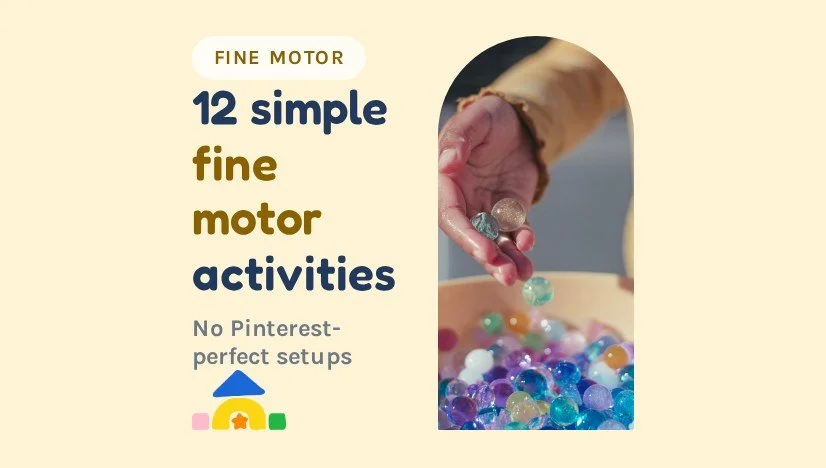
12 fine motor activities to do at home
Support milestones, spark independence, and keep it simple—no Pinterest-perfect setups required.
As a pediatric occupational therapist, I’m often asked:
“How can I help my child develop fine motor skills without expensive toys or elaborate programs?”

How daily rituals help kids feel connected
Connection with your child doesn't need more crafts, more toys or more time. Here are the small, everyday rituals I suggest to families, and how to fit them into the day you already have.

Why sensory play matters and how to start
As an occupational therapist, I’ve seen first-hand just how powerful sensory play can be. Whether it’s squishing, scooping, splashing, or spinning, these playful, hands-on experiences are doing so much more than just keeping toddlers busy. They’re laying the groundwork for lifelong skills in learning, regulation, communication, and confidence.
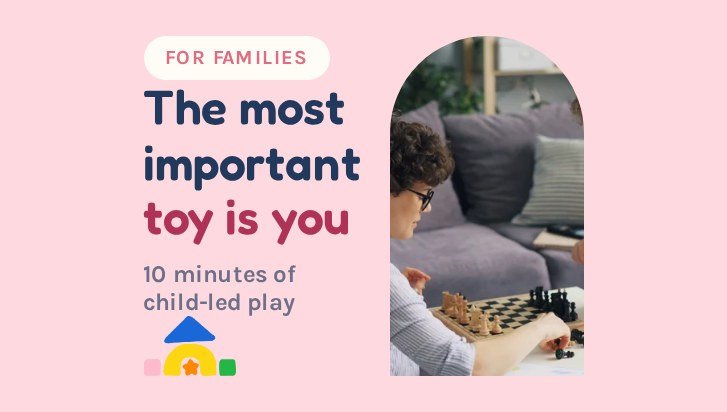
Why I suggest 10 minutes of child-led play a day
The most powerful tool in your parenting toolkit isn’t something you buy; it’s you. Your presence, your voice, your eye contact, and your willingness to play are what help your toddler thrive.

Movement activities for kids who never stop moving
As an occupational therapist, I often see children who seem to be in constant motion—running, jumping, climbing, spinning—rarely stopping for long. If this sounds familiar, you’re not alone!

Sensory play ideas for 2 to 4 year olds
As an occupational therapist, I see firsthand how sensory play supports early childhood development. It’s more than just fun—it helps build fine and gross motor skills, supports regulation, and encourages problem-solving. Whether it's messy, tactile, or movement-based, sensory play is a foundation for learning and development.