Road trip activities for toddlers
Road trip activities for toddlers
 Brittany Hulme, paediatric occupational therapist, Perth
·
October 2026
Brittany Hulme, paediatric occupational therapist, Perth
·
October 2026
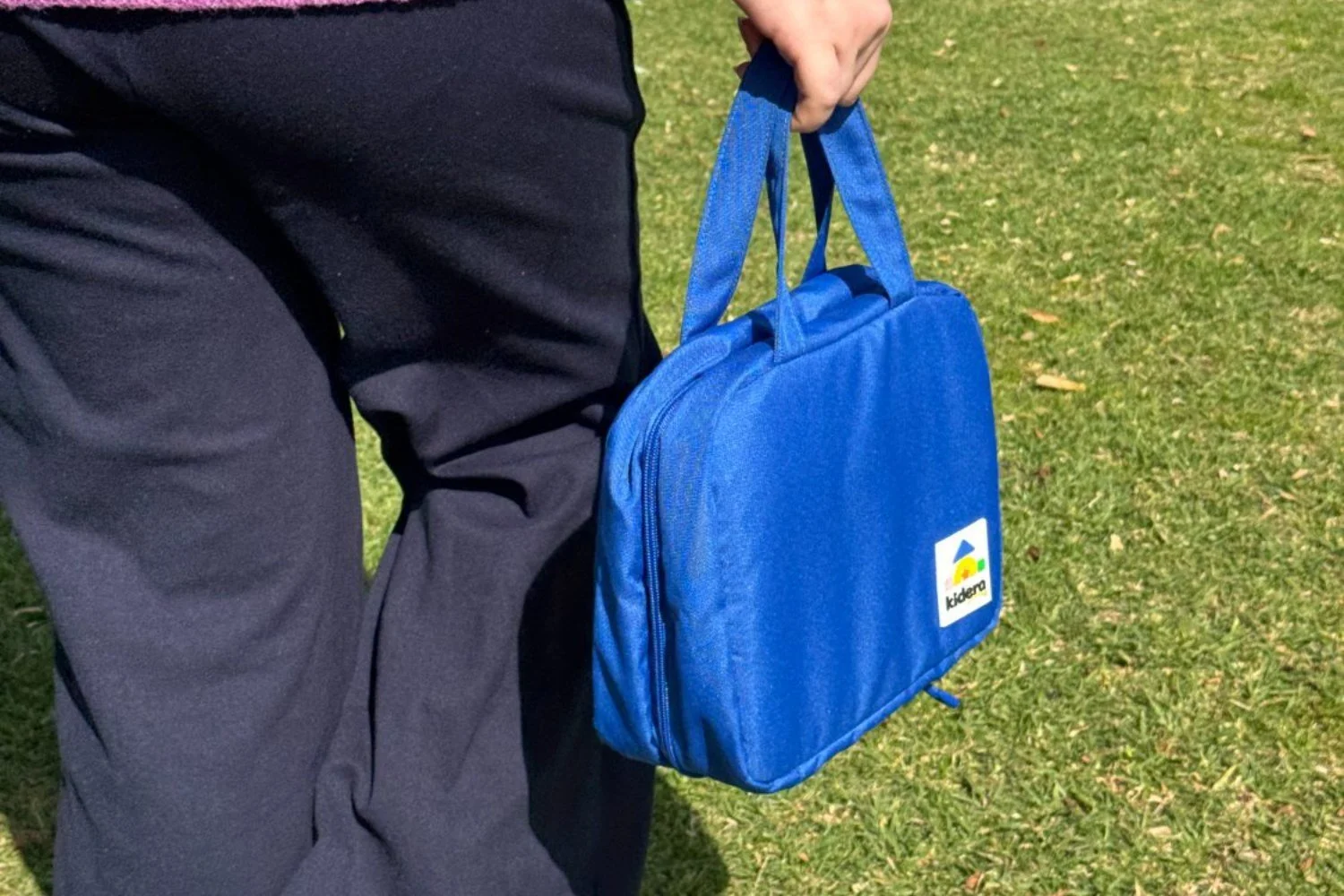
Perth to Margaret River is about three hours. Albany is closer to five. Most of that is long, straight road with not much to look at, and a three year old in a car seat can't get up and move.
The car is harder than a plane in one way: you're often the one driving, so you can't hand things over every 15 minutes. The plan below is built around that. Games that need nothing, activities your child can reach and choose on their own, and stops that are planned before anyone melts down.
I'm a paediatric OT, so keeping kids engaged is literally my job. I've also spent more than a year designing a travel kit, talking to parents and trialling activities with kids out and about. Here's what I've found works in the back seat.
Games that need nothing
These work from the moment you pull out of the driveway and cost nothing to pack.
Colour count
Everyone picks a car colour. First to spot ten wins.
I spy, with colours
Colours instead of letters. Easier for 3 year olds who don't know letter sounds yet.
Road sign hunt
Kangaroo signs, a stop sign, a speed sign with a 4 on it.
Guess what's next
A truck, a bridge, a horse. Points for being right.
Same song, different voices
Tiny voice, giant voice, robot voice.
Audio stories and podcasts
Screen free, and they let children look out the window, which helps with car sickness.
What to pack within reach
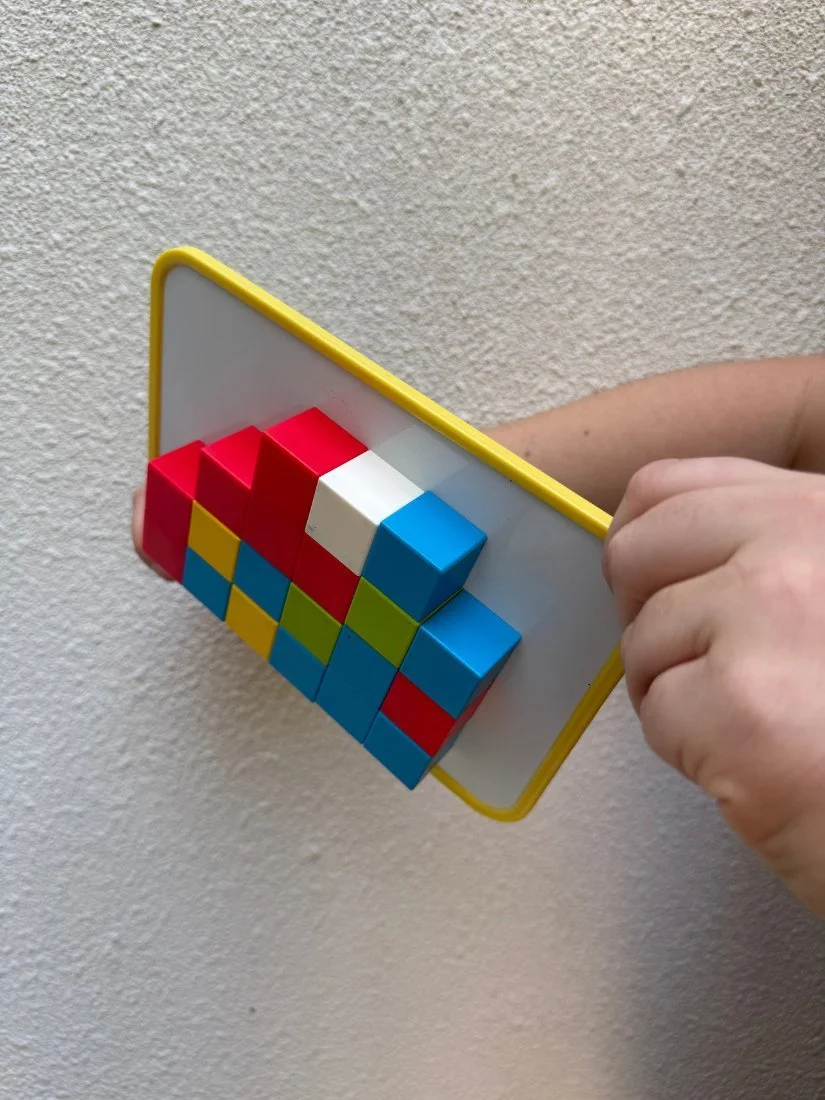
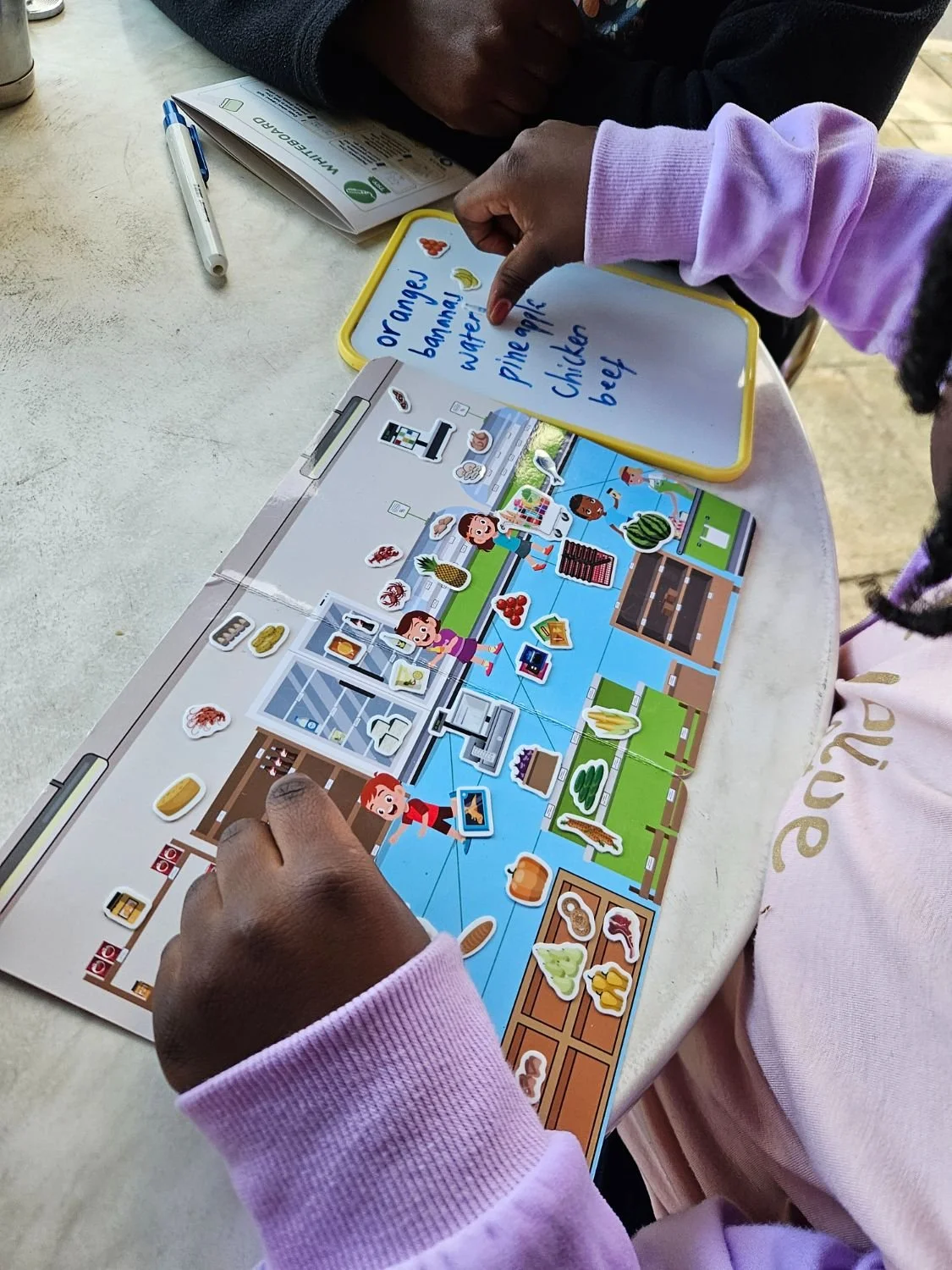
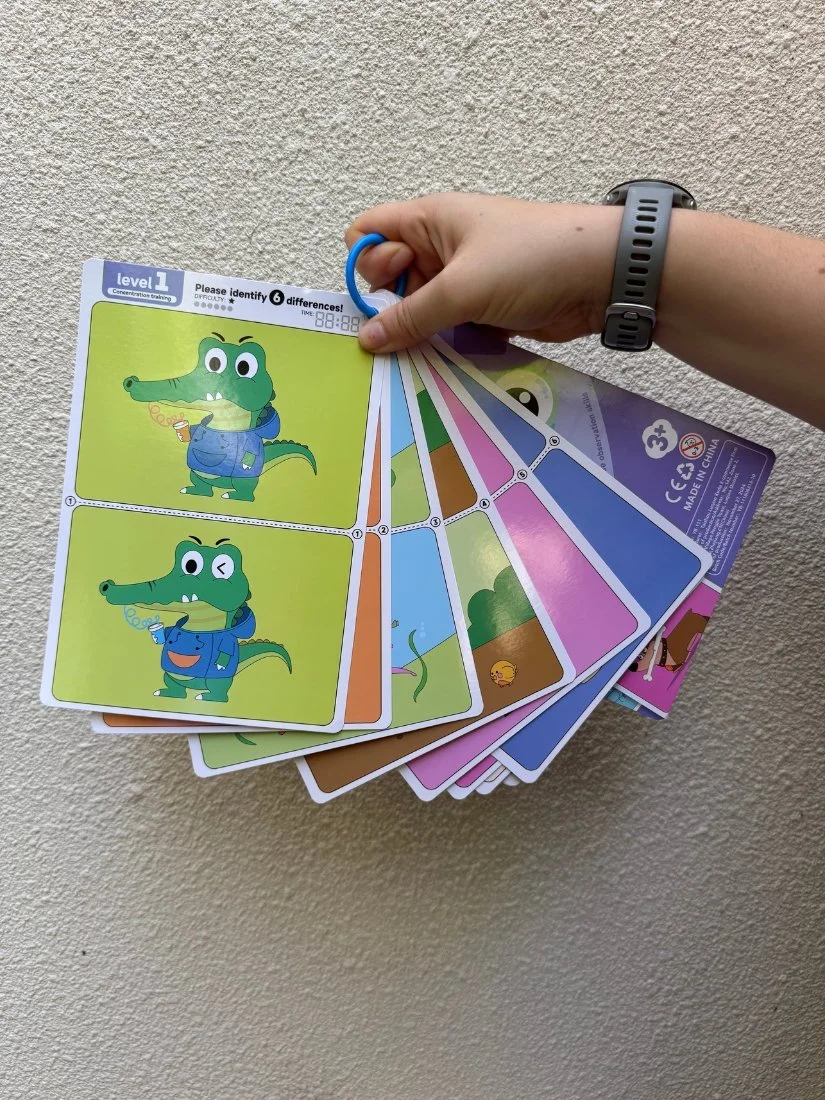
Pack for independence. Your child needs to reach it, open it and choose from it without your help.
The cardboard box tray hack
- 1Grab a spare box from Bunnings or the supermarket.
- 2Flip it upside down and cut a curve out of two opposite sides, so it sits over your child's legs like a little table.
- 3Check it sits on top of their lap and doesn't get in the way of the harness straps.
Now they've got a flat surface for books, colouring or a drawing board, which helps those activities last a lot longer on a long drive.
What about car sickness?
Looking down at an activity can make car sickness worse for some children. If yours is prone to it, lean on the look-out games and audio stories, keep fresh air coming in, and save the drawing and sticker activities for stops or straight, smooth stretches of road.
Talk to your GP if car sickness is making trips really hard.
Plan your stops before you need them
Road safety advice is to stop every two hours. With young kids, plan for more often. Pick stops with somewhere to run, like a playground or an oval, rather than a servo car park. Ten minutes of running, jumping and climbing often buys you a calmer next hour.
Planning a road trip around your child, like you're doing right now, shows how much thought you put into their day. You're already doing a great job. I hope you pull out of the driveway feeling prepared.
Are screens okay on a road trip?
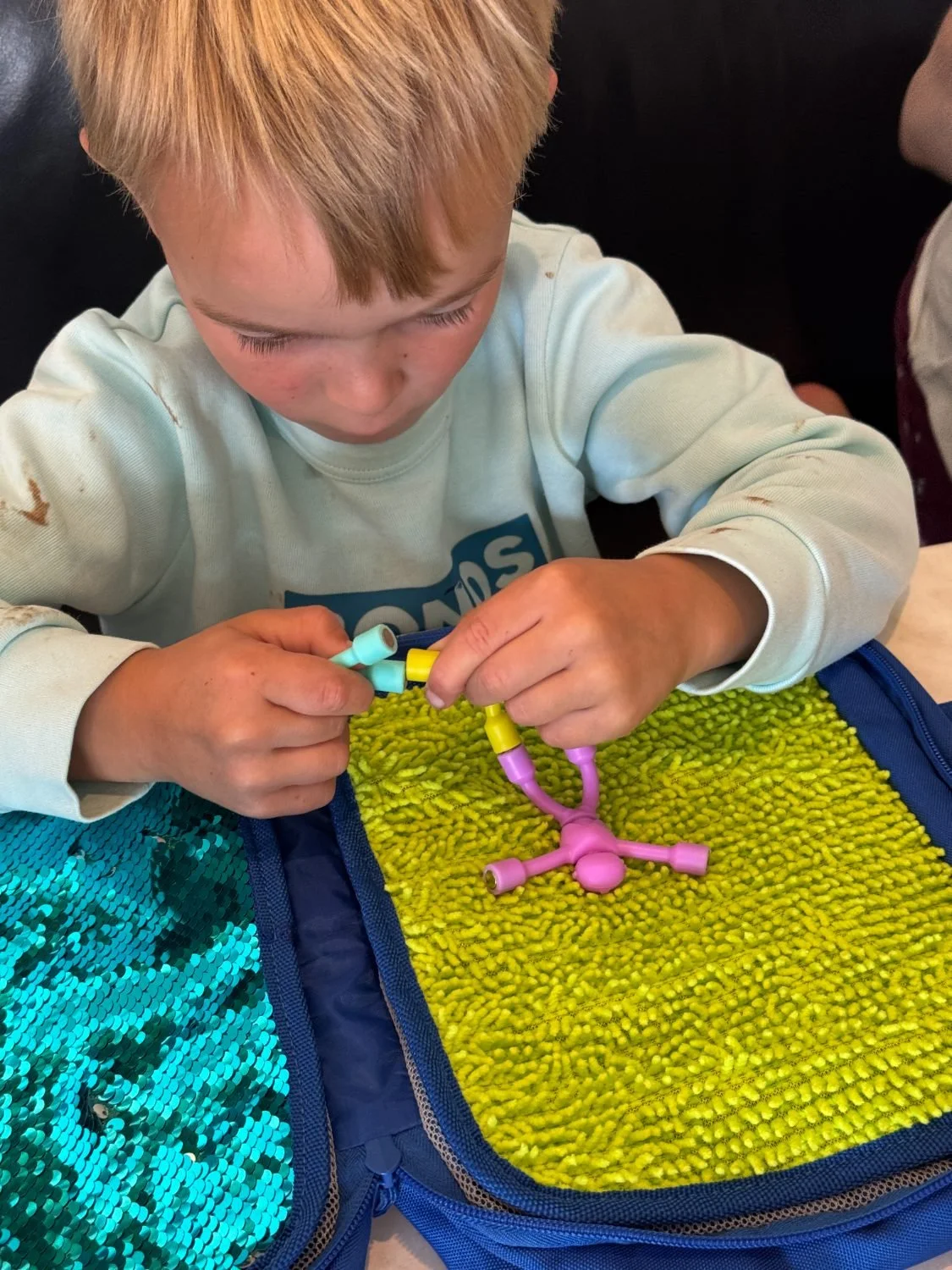
Yes, and no judgement here. On a long drive there may be a stretch where it's the right call. A screen on its own often won't last a whole trip, though. Kids get bored of it and need to move or switch things up, so I'd use it as one part of your toolkit. Starting with games and hands-on activities means you still have it in reserve for the last hour, when everyone is tired.
Questions parents ask
How often should we stop on a road trip with a toddler?+
At least every two hours, and more often with young children. Pick stops where they can run.
What can a 3 year old do in the car without a screen?+
Look-out games, songs, audio stories, and activities they can reach on their own: drawing, stickers, magnets and search-and-find cards.
How do I stop my child getting car sick?+
Look-out games and audio stories work better than activities that need them to look down. Fresh air and regular stops help. See your GP if it's ongoing.
What should I not pack in the car?+
Anything heavy or hard that could move in a sudden stop, anything with lots of tiny pieces, and anything that needs you to help with it every few minutes.
Keep reading
These are general, evidence-informed strategies. They're not a diagnosis and not a substitute for assessment by a registered health practitioner.

Paediatric OT with nearly nine years of experience working with children and families. Kidera exists to make OT-informed tools accessible to every parent, not just those in clinic.

Brittany is a paediatric occupational therapist who has been registered with AHPRA for nearly nine years, working with kids and their families across homes, schools and her own clinic in Perth.
Through Kidera she shares her toy picks alongside OT tips for supporting children through play, skill development and goals, drawing on her professional experience and her own opinion. The aim is a community where parents feel supported and confident navigating raising kids, and where other professionals can pick up something useful too.