Waiting room activities for kids
Waiting room activities for kids
 Brittany Hulme, paediatric occupational therapist, Perth
·
October 2026
Brittany Hulme, paediatric occupational therapist, Perth
·
October 2026
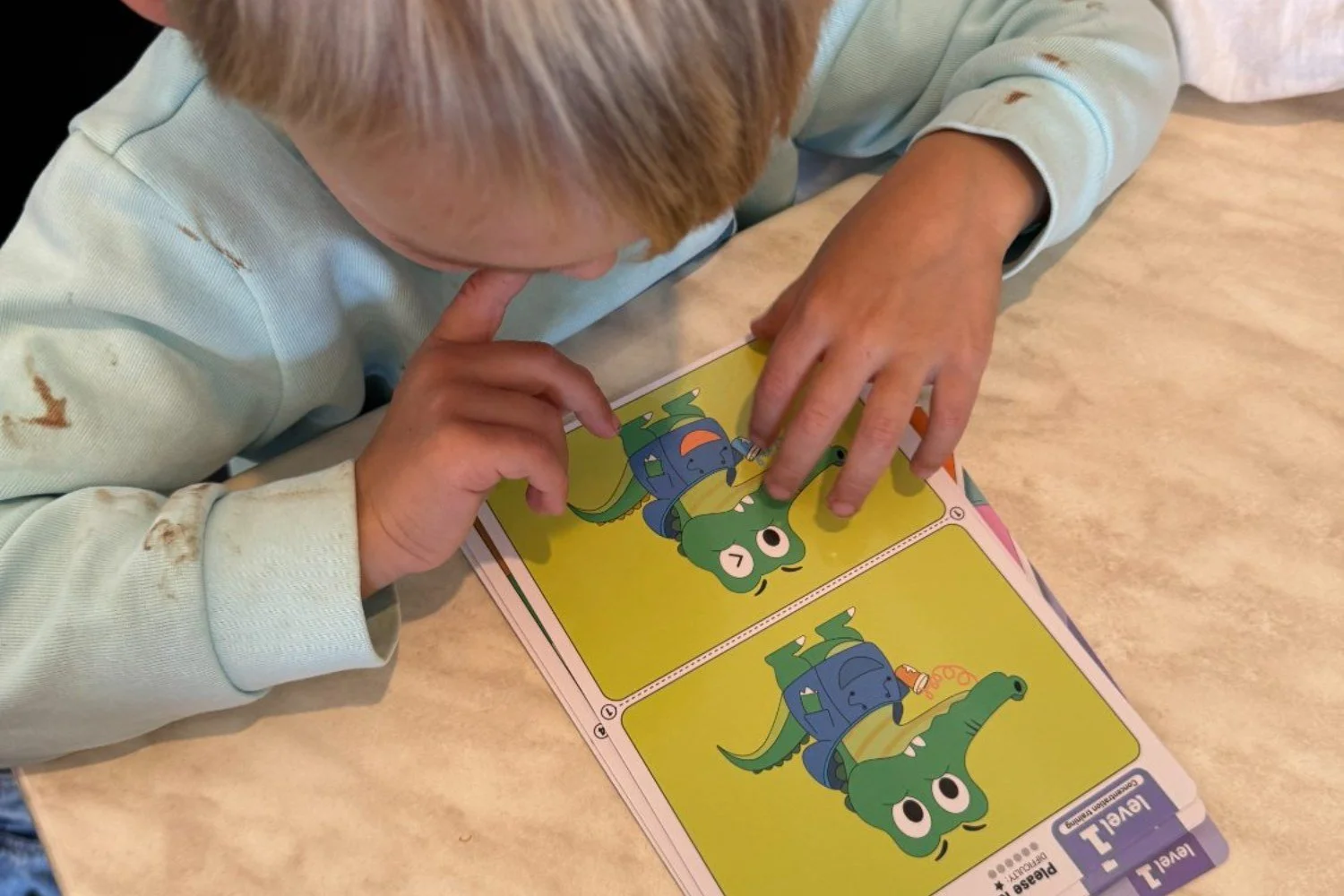
The appointment was at 10. It's now 10.40, the waiting room is full, and your four year old has read the same board book three times.
Waiting rooms are hard for young kids for a simple reason: there's no clear end. They don't know when it'll be their turn, and they can't see the time passing. Most of what helps is about making the wait feel shorter and more predictable, with something quiet to do in the meantime.
I'm a paediatric OT, and I spend a lot of my week helping kids get through things that are hard for them. Waiting is one of them. These are the same tips I give the parents I work with.
Make the wait easier to understand
Tell them what's happening
"We're waiting for Dr Sam. There are three people before us." Simple and true.
Show the time passing
I often suggest a visual timer, and you can get one on your phone. Show your child: this is how long until the doctor comes, but they might be a little bit late. GP waits are hard to predict, so I'd set it for longer than you expect. It's easier for the doctor to come early than for your child to watch the timer run out and still be sitting there.
Ask how far behind they're running
Reception will usually tell you. If it's a long wait, a walk outside or a trip to the car might be better than sitting.
Book smart
The first appointment of the morning or straight after lunch is less likely to run late.
Games that need nothing
I spy with colours
Easier than letters for 3 year olds.
Find five
Five chairs, five round things, five people wearing blue.
Quiet story
Make up a story together in whispers, one sentence each.
Fish tank or window watching
Count the fish, the cars, the birds.
What to bring to the doctor or dentist
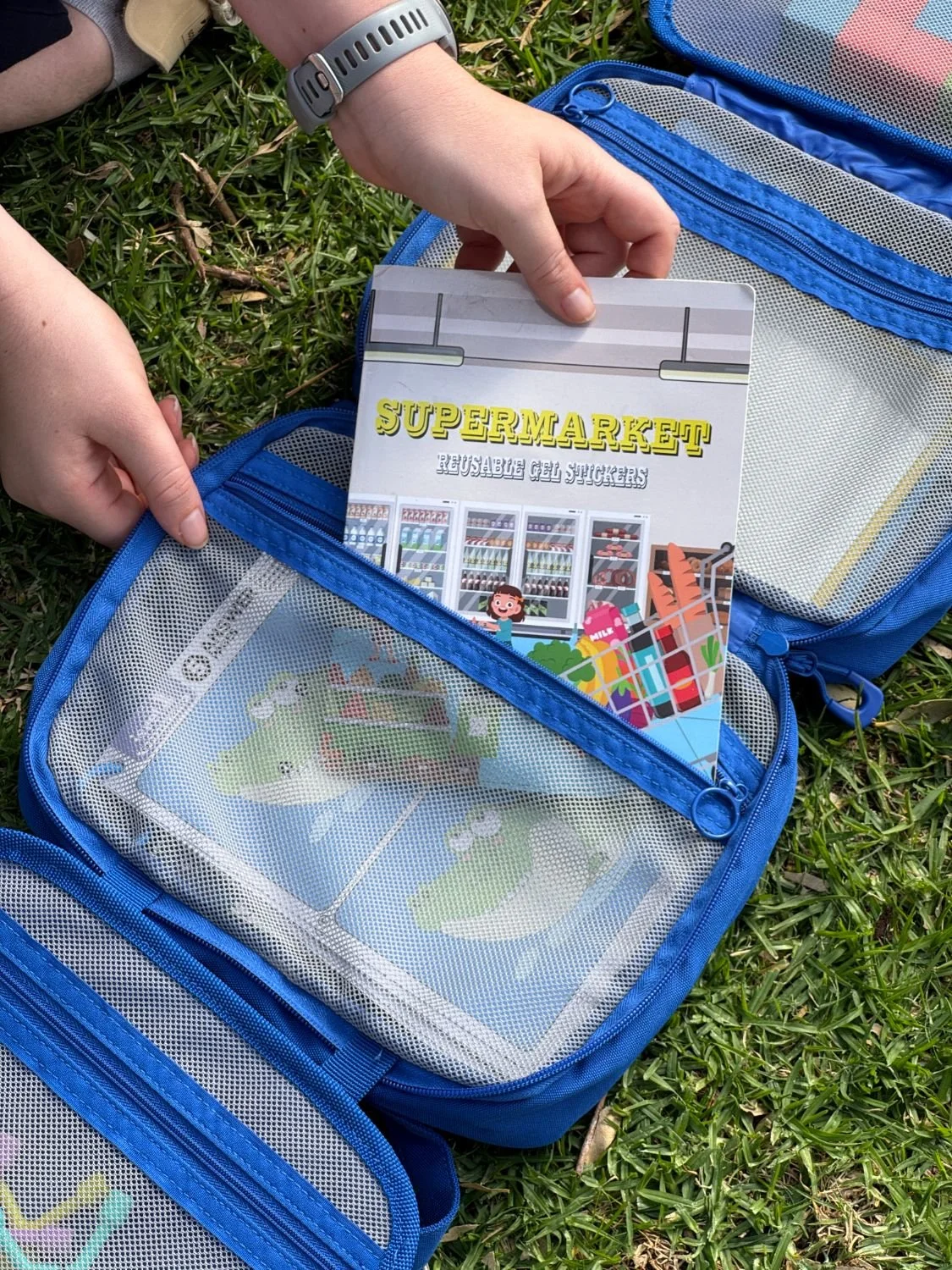
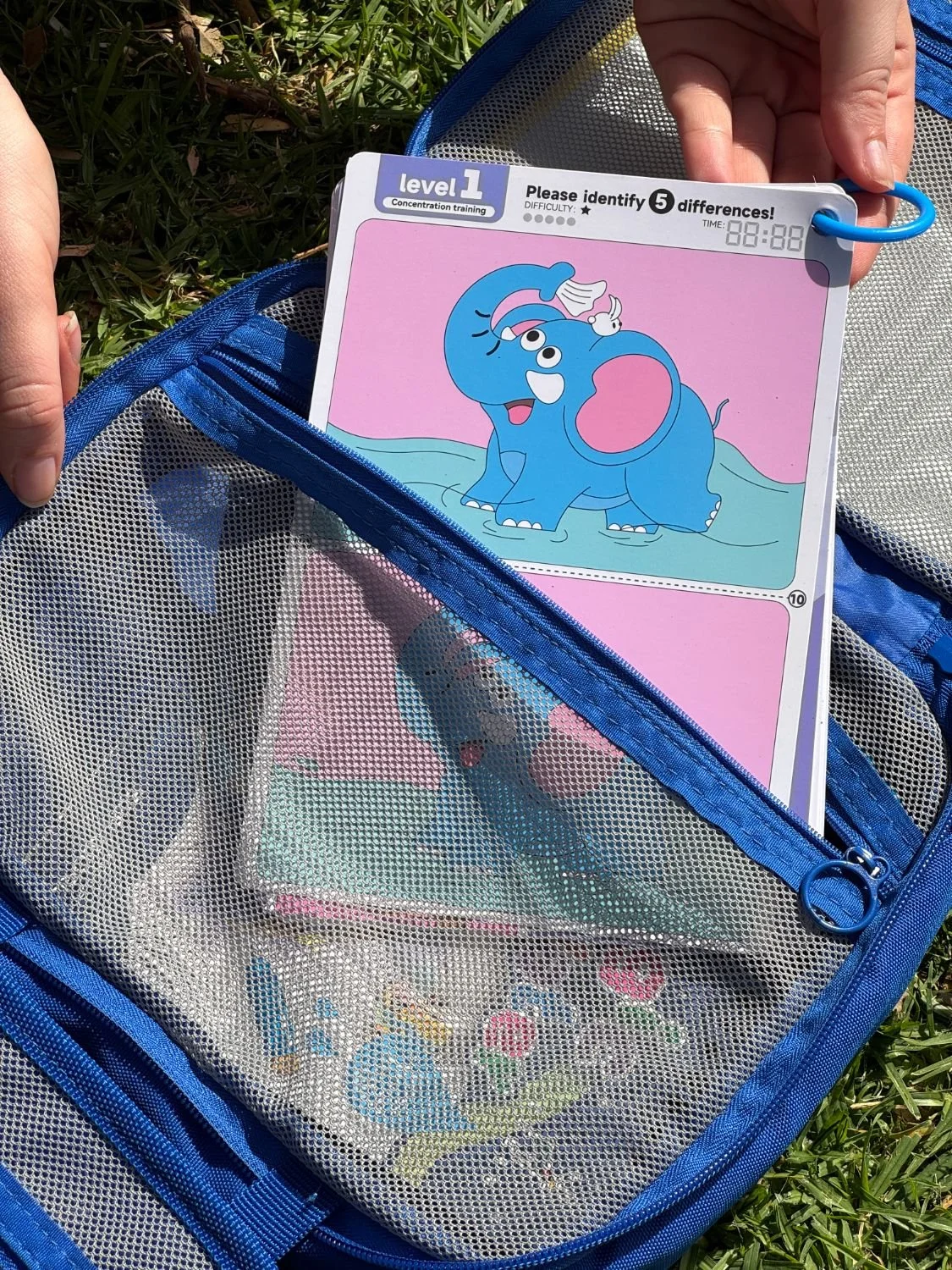
Pick quiet things that pack away fast when your name is called.
Talk about the appointment while you wait
Waiting can be a good time to go over what will happen, in simple words. Let your child ask questions.
"The doctor will look in your ears with a little light."
"You look a bit nervous. That's okay."
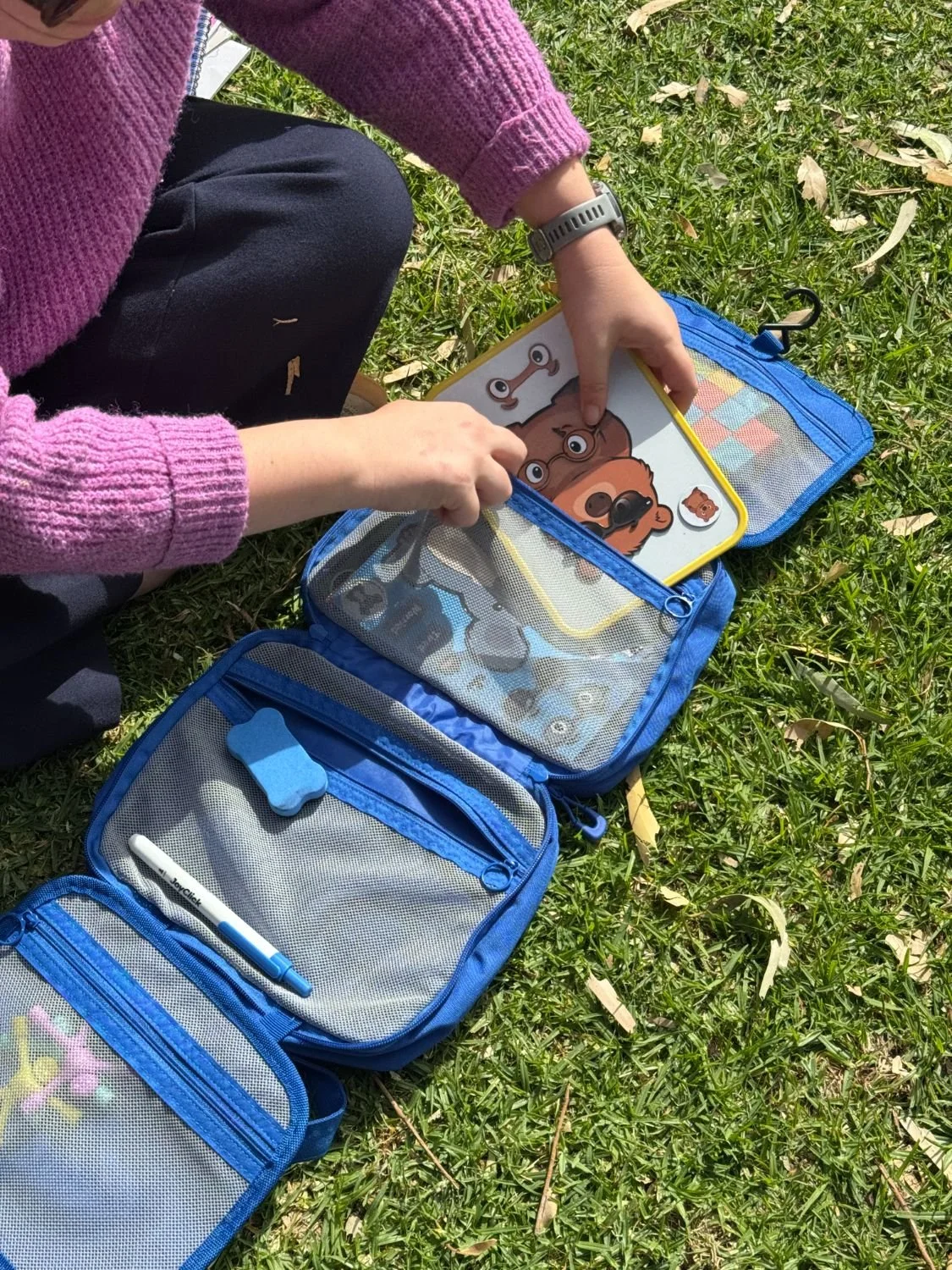
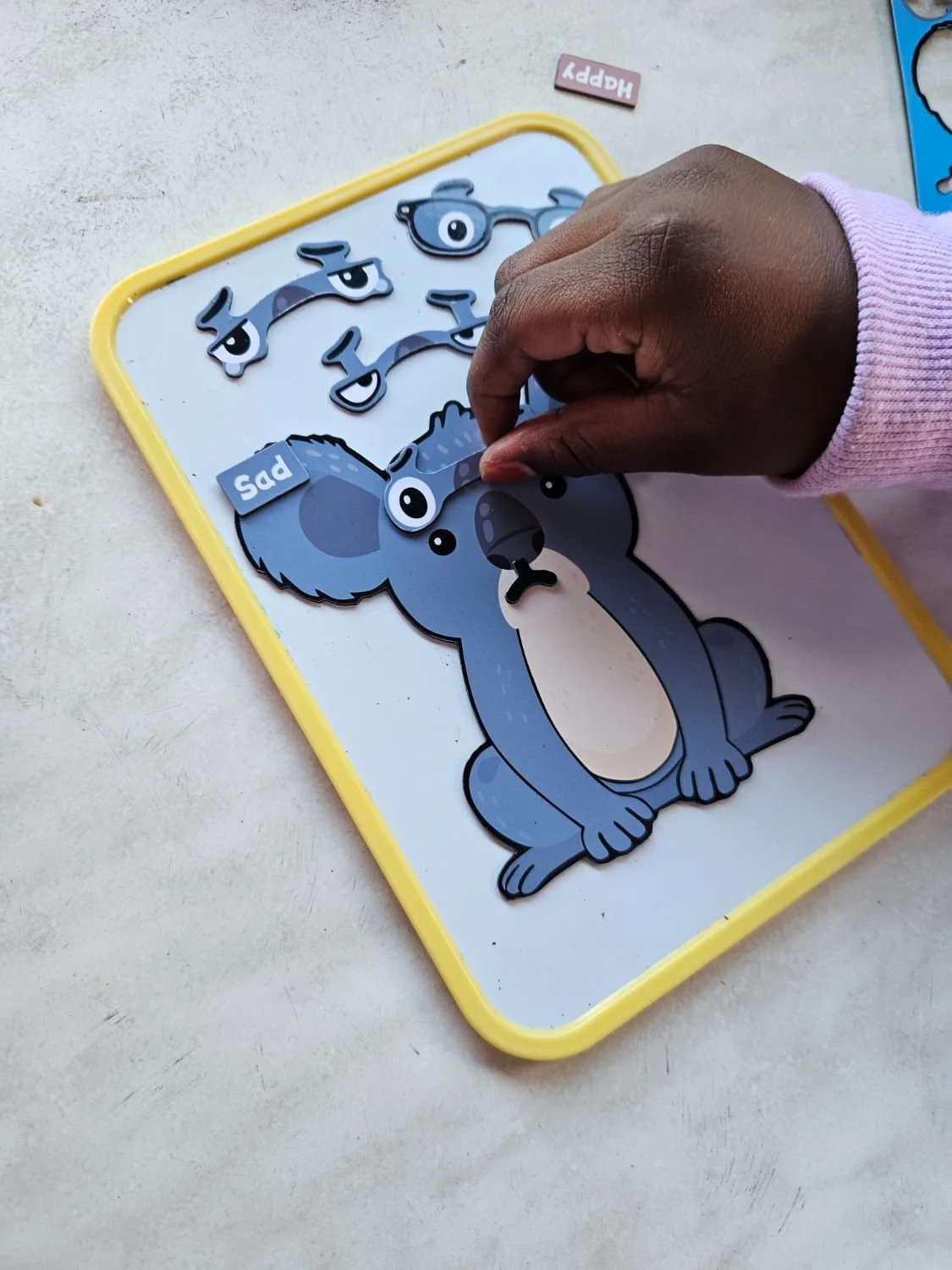
Some children like to put a feeling face on a toy or a figure and talk about it that way.
Thinking ahead about a waiting room, of all places, shows how much you care about how your child feels. You're doing a great job. Go in prepared, and be kind to yourself if it's still a long morning.
Are screens okay in a waiting room?
Yes, and no judgement here. In a long wait with a sick or tired child it might be exactly the right call. I'd still keep a quiet hands-on activity in your bag, because a screen on its own doesn't always last the whole wait, and it's good to have another option.
Questions parents ask
What should I bring to keep a toddler busy at the doctor?+
Two or three quiet activities that pack away fast, like drawing, stickers and search-and-find cards, plus water and a small snack if allowed.
How do I keep my child calm in a waiting room?+
Tell them what's happening, show them the time passing, and keep a quiet activity ready. A walk outside can help in a long wait.
Are waiting room toys safe to use?+
Shared toys are handled by a lot of children. Bringing your own is an easy way to cut down on that, especially in winter.
When is the best time to book a kids' appointment?+
First thing in the morning or straight after lunch, when clinics are less likely to be running late.
Keep reading
These are general, evidence-informed strategies. They're not a diagnosis and not a substitute for assessment by a registered health practitioner.

Paediatric OT with nearly nine years of experience working with children and families. Kidera exists to make OT-informed tools accessible to every parent, not just those in clinic.

Brittany is a paediatric occupational therapist who has been registered with AHPRA for nearly nine years, working with kids and their families across homes, schools and her own clinic in Perth.
Through Kidera she shares her toy picks alongside OT tips for supporting children through play, skill development and goals, drawing on her professional experience and her own opinion. The aim is a community where parents feel supported and confident navigating raising kids, and where other professionals can pick up something useful too.