How to keep a toddler busy at a restaurant
How to keep a toddler busy at a restaurant
 Brittany Hulme, paediatric occupational therapist, Perth
·
October 2026
Brittany Hulme, paediatric occupational therapist, Perth
·
October 2026
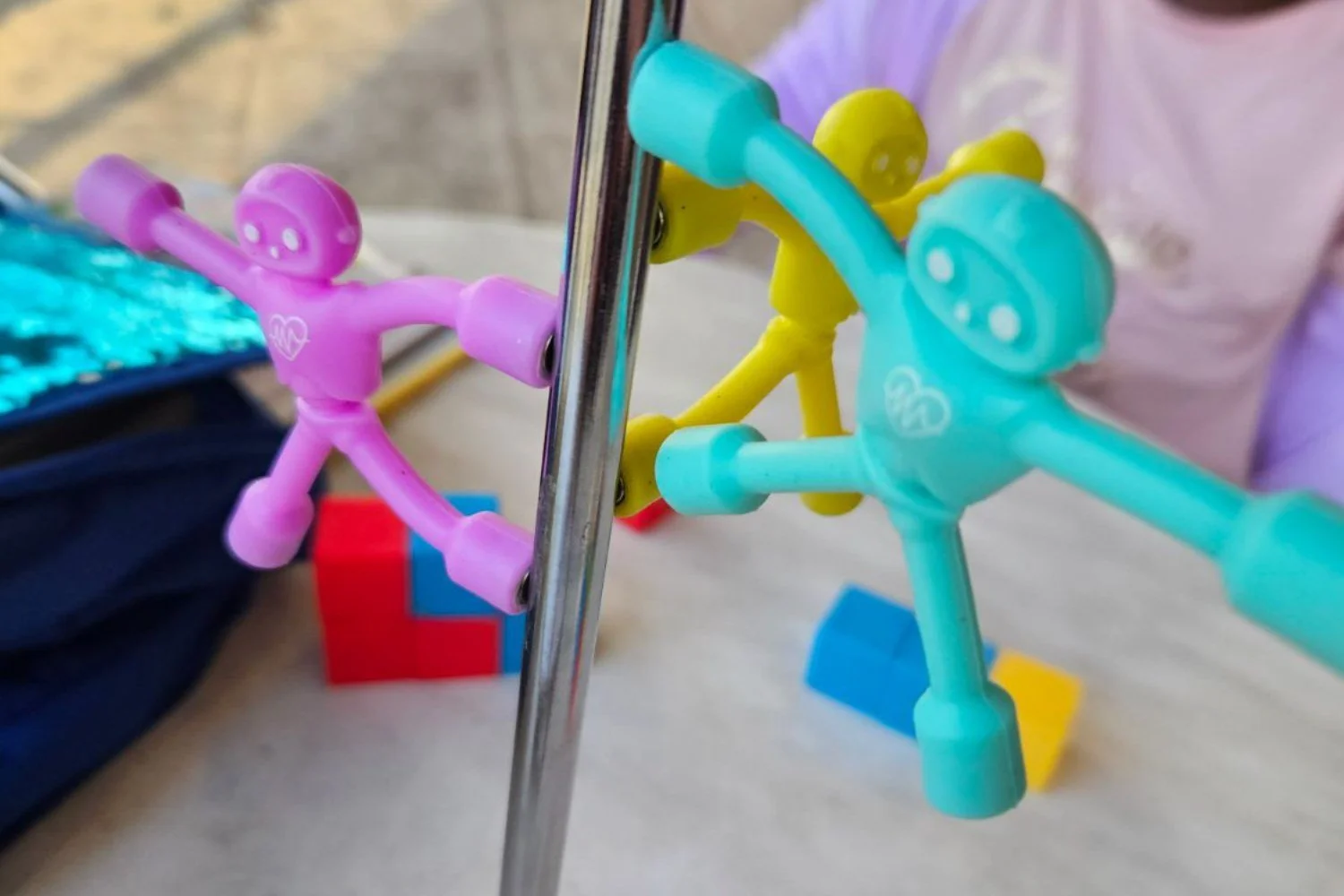
The food takes 30 minutes. Your coffee goes cold. By the time the meal arrives, your three year old has been under the table, on your lap and halfway to the kitchen.
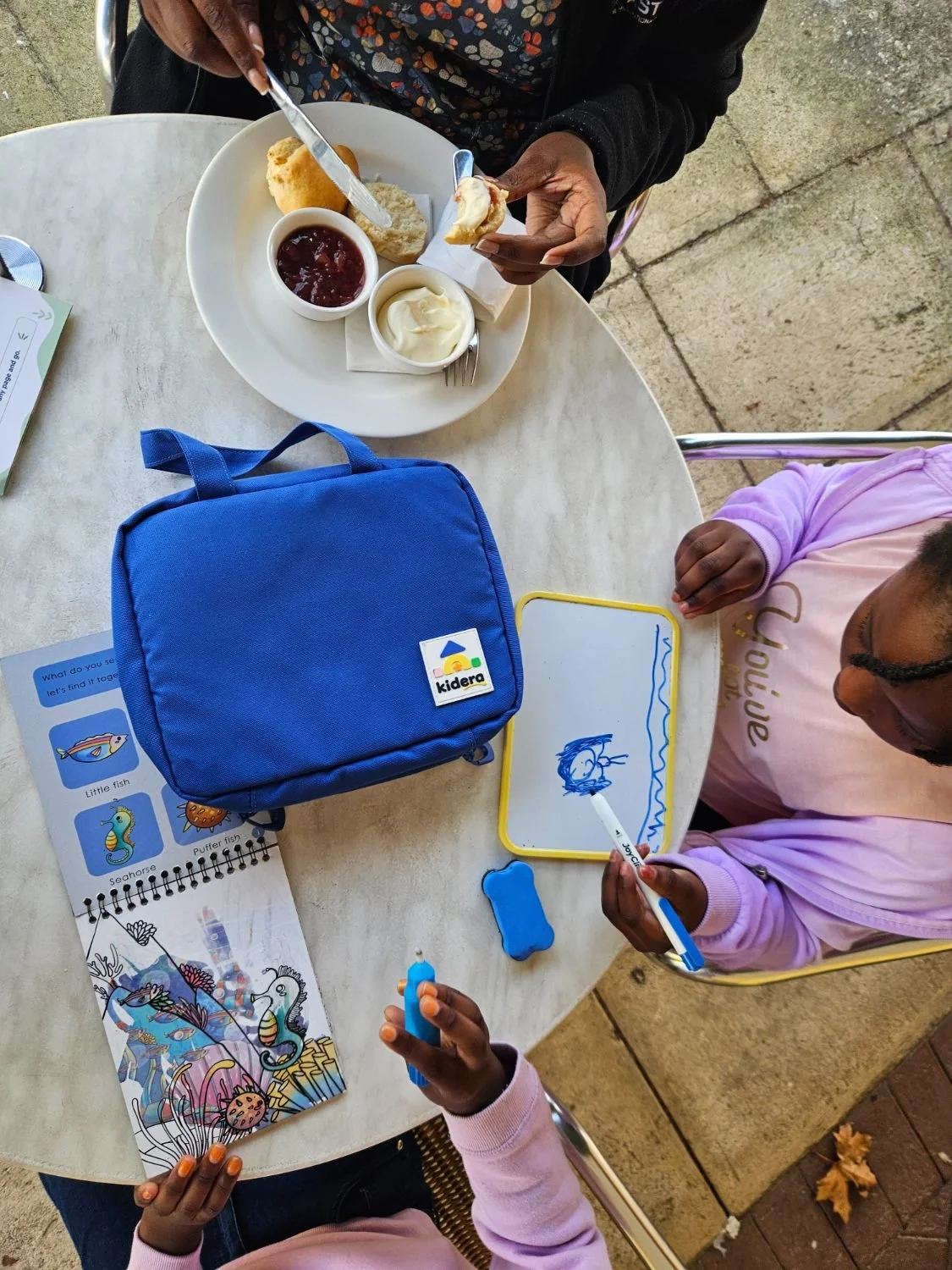
I've practised this one a lot. My partner's family is a big Italian family, with lots of young kids and lots of get-togethers at cafes and restaurants. Depending on the day, the kids would be running around the table, heading for the door, crawling underneath it, grabbing people's legs, or just bored and upset. So I started bringing some of my therapy tools along. The change was instant. Kids who'd been under the table were sitting up, happily drawing or playing with a toy. It's a big part of where the idea for my travel kit came from.
I'm a paediatric OT, so keeping kids engaged is my job. Most of eating out with young kids comes down to the wait before the food arrives. Plan for that stretch and the rest gets easier. Here's how.
Waiting is hard for little kids
Waiting is hard. It's hard for us as adults sometimes, when we're hungry and the food is taking forever. Young kids are still building their attention span and their patience, and for some, a few minutes of waiting really is their limit. (I wrote more about how long kids this age can focus in my plane article.)
So go in planning to help them with the wait. You don't have to bring toys like I do. I do think they help, because you're not making up new ideas on the spot for half an hour.
Pick your time and your table
Go early
11.30am for lunch or 5pm for dinner means a quieter room and faster food.
Choose the table
A corner or a spot by the window gives them something to look at. Outdoor seating near a patch of grass or a playground gives you somewhere to go between courses. Ask for a table away from the kitchen door and the busy walkway.
Order their food first
Or ask for it to come out as soon as it's ready. A hungry child at a table with nothing on it has the hardest wait of all.
What to bring to a cafe or restaurant
Three or four activities that each do a different job, handed over one at a time, is enough for most meals.
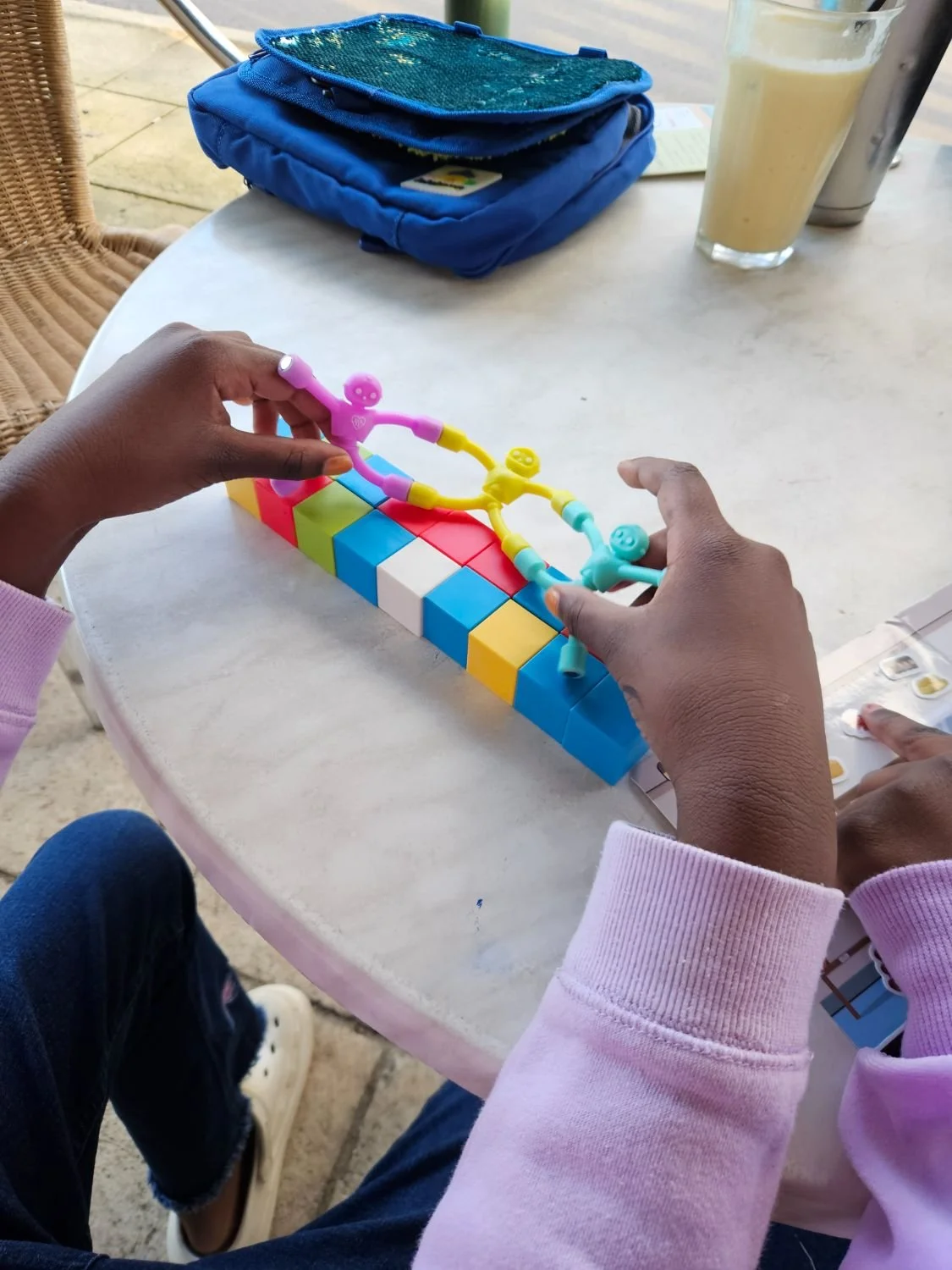
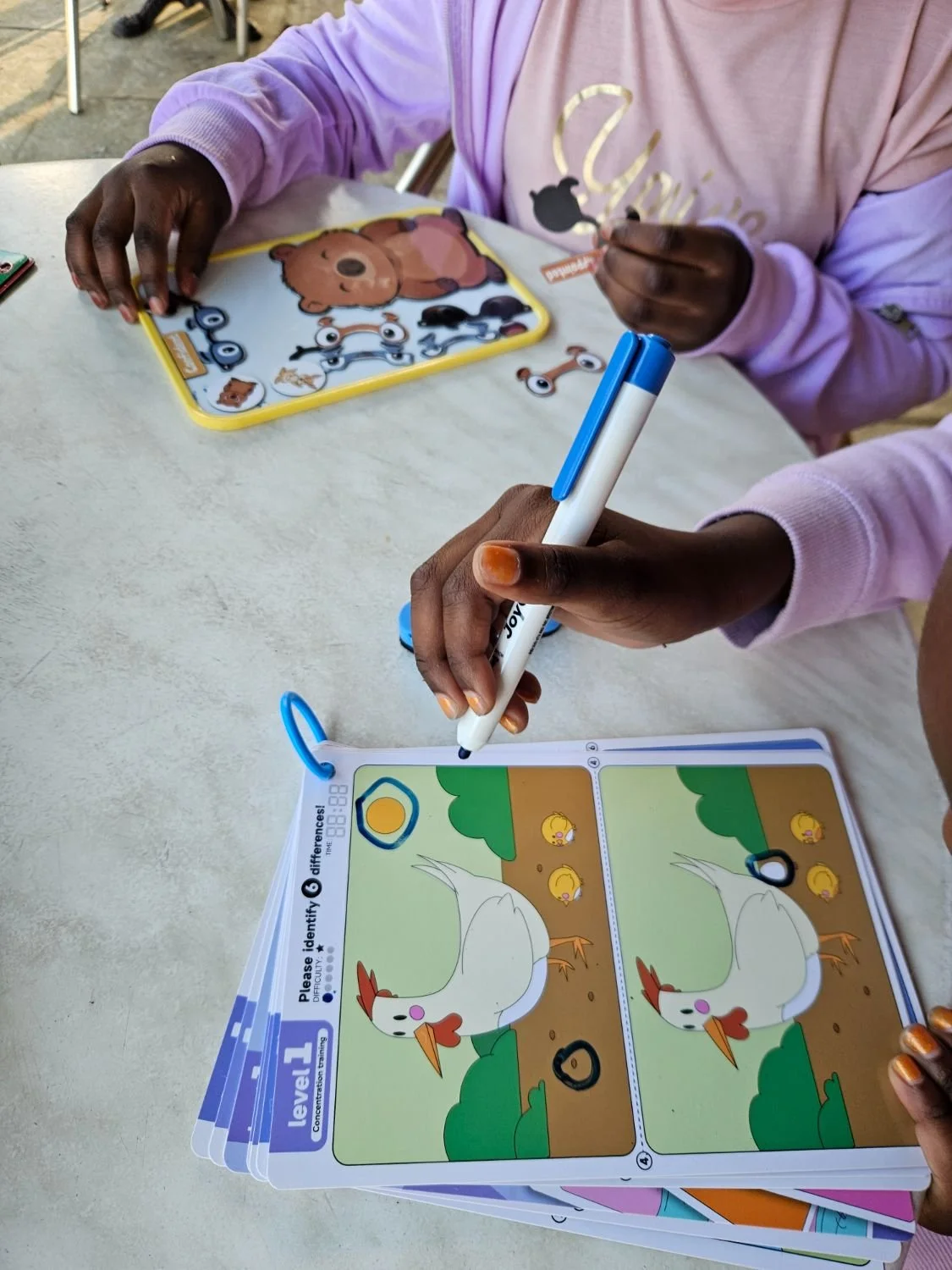
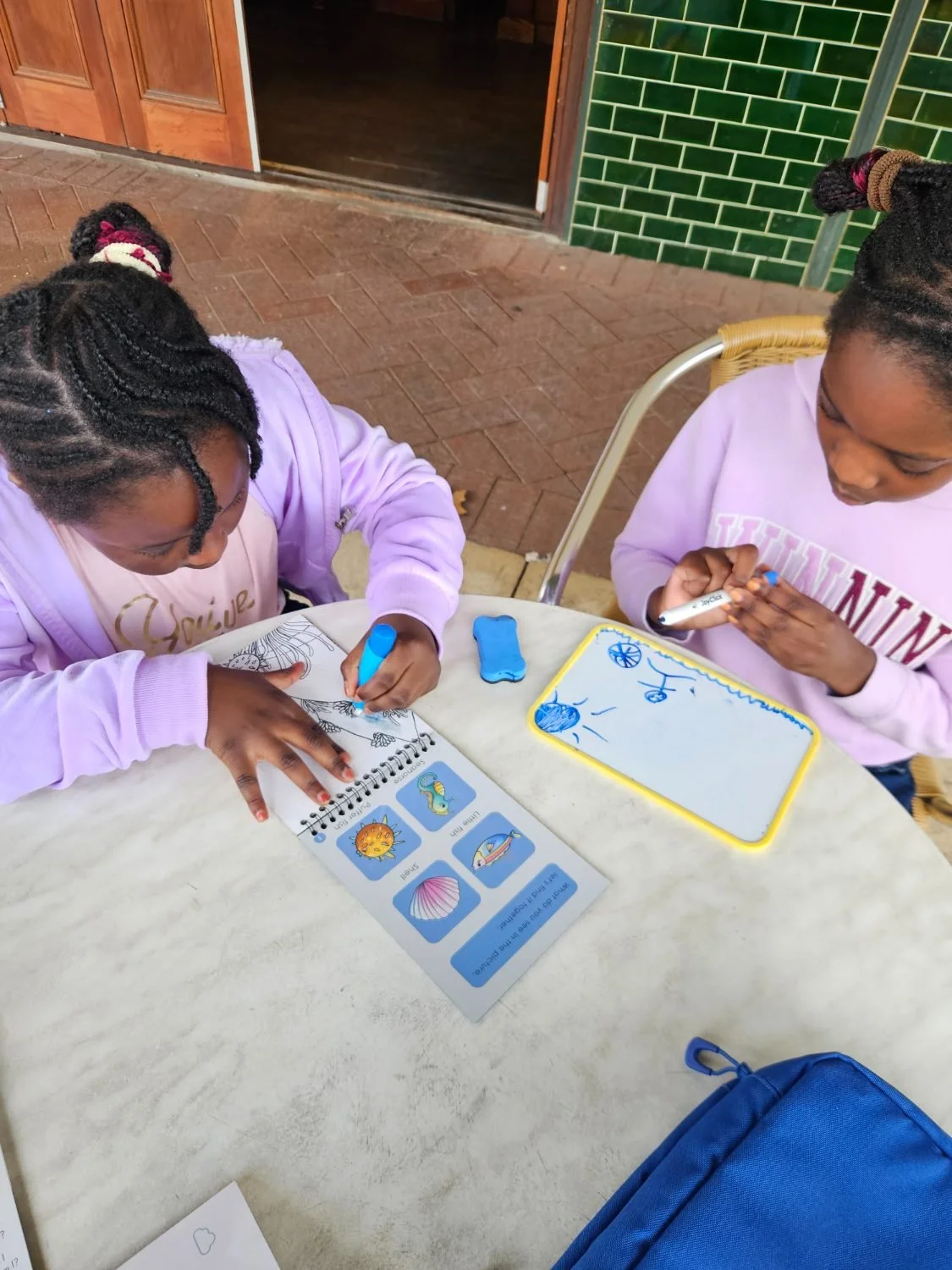
Use the table itself
You don't always need to bring something. Visual search games are one of my go-tos when kids need to stay in their seat.
- Play I spy.
- Count all the squares you can see in the room.
- Find something fuzzy, something green, something round.
- Play "what's different?" by moving one thing on the table while they close their eyes.
Move between courses
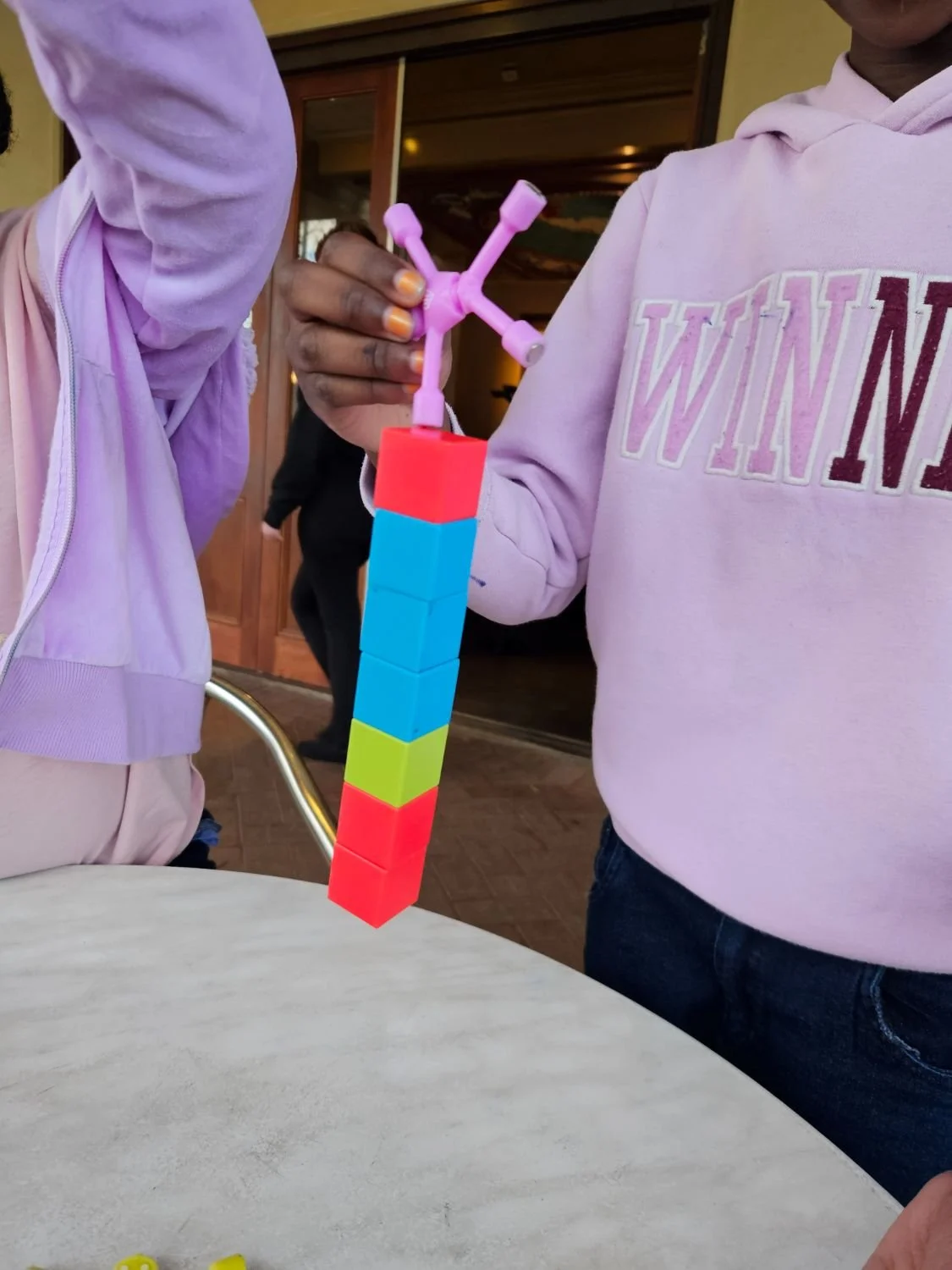
A short walk outside between ordering and eating can make the next 20 minutes go much better. Look at the dogs, find the cars, walk to the corner and back. Children this age aren't built to sit still for long, and a little movement helps them come back to the table ready to eat.
Are screens okay at a restaurant?
Yes, sometimes, and no judgement here. There are meals where it's the right call. A screen on its own doesn't always hold a child through a whole meal, though, because kids get bored and want to move. So I'd use it as one part of your toolkit. Starting with the table games and hands-on activities usually buys you more time, and keeps the screen in reserve for dessert or the bill.
Looking this up before your next lunch out shows how much you care about how your child finds these outings. You're already doing a great job. Go in with a plan, and count every meal that works, even the short ones.
Questions parents ask
How long can a 3 year old sit at a restaurant table?+
It varies a lot. For many 3 year olds, 20 to 40 minutes at the table is a realistic stretch. Plan the outing around that, with a walk in the middle.
What's the best time to take a toddler to a restaurant?+
Early, before the rush. 11.30am for lunch or 5pm for dinner.
What should I bring to keep a toddler busy at a cafe?+
Three or four activities that each do something different, plus a snack. Draw, find, stick and play pretend.
Is it okay to take a toddler to a nice restaurant?+
Yes, with planning. Go early, sit near an exit, and have a plan for leaving if it isn't working.
Keep reading
These are general, evidence-informed strategies. They're not a diagnosis and not a substitute for assessment by a registered health practitioner.

Paediatric OT with nearly nine years of experience working with children and families. Kidera exists to make OT-informed tools accessible to every parent, not just those in clinic.

Brittany is a paediatric occupational therapist who has been registered with AHPRA for nearly nine years, working with kids and their families across homes, schools and her own clinic in Perth.
Through Kidera she shares her toy picks alongside OT tips for supporting children through play, skill development and goals, drawing on her professional experience and her own opinion. The aim is a community where parents feel supported and confident navigating raising kids, and where other professionals can pick up something useful too.