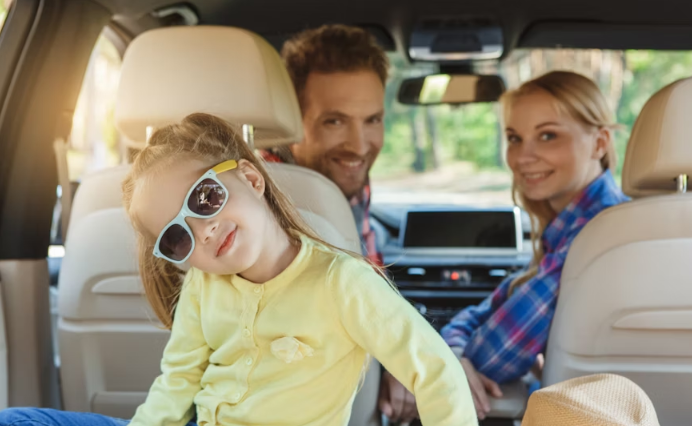
You know how travel and family outings with young kids can be super stressful? As an OT and someone with lots of little ones in my family, I’ve seen firsthand how tough it can be. Whether it’s sitting through a long flight, waiting at a café table, or being strapped into the car for hours, young children often struggle with the sitting still, the noise, and the unpredictability.
I’m on a mission to help parents feel more confident managing these moments. Over the years, I’ve learned strategies and play tools that can make outings and travel feel a little smoother and I'm sharing some of them with you here. And because I know how valuable it is to have something ready to grab‑and‑go, I designed one too: the Kidera Travel Play Kit, now available to pre-order.

🎒 Be prepared and proactive
Transitions are one of the hardest parts of travel for young children. New environments, loud sounds, long waits, and sitting still for hours? All of it challenges their ability to self-regulate.
Here's where play comes in. Play with plenty to touch and do can help children stay busy for longer and settle into the trip. When you plan ahead with a few intentional play options, you’re setting your child up for calmer, happier travel.
🧸 Toy selection tips
When choosing what to bring, think small but mighty. The best travel toys are:
Compact and lightweight, easy to slip into a backpack or carry-on.
Quiet, no noisy buttons or beeping that will test everyone’s patience mid-flight.
Open-ended, toys that can be used in multiple ways spark creativity and hold attention longer.
Safe for travel, avoid tiny parts that can get lost or launched across the aisle.
💡 Novelty, novelty, novelty!
Kids crave novelty. That’s why pulling out the same toy over and over won’t always cut it.
Why it works: Something new tends to catch a child’s interest and hold their attention for longer. Even a toy your child hasn’t seen in weeks can feel brand new on a long car ride or flight.
✨Pro tip: Create a dedicated travel kit filled with new toys or toys your child hasn’t used in a while. Keep these separate from their everyday playthings and only bring them out for travel. This keeps the sense of novelty alive and makes the toys feel extra special.
🔄 Rotate
Bringing several activity ideas helps maintain novelty throughout the trip. Choose a small variety of toys and activities, but only bring out one at a time. This way, each item gets maximum play value and your child stays engaged for longer stretches.
🧼 Storage matters
How you store toys can make or break travel play. A simple bag with compartments keeps things organized, separates activities, and helps you rotate toys to keep play feeling fresh.
It’s not just about convenience. This kind of setup also builds independence. When kids choose, pack away, and swap toys themselves, they’re practicing focus and self-regulation while having fun on the go.
Need inspiration? I’ve rounded up some of my favorite budget-friendly options:
Best Travel Toys from Kmart and Officeworks – OT-approved picks that support sensory play and child development on the go.
Essential Kids Activities for Travel with Kmart Items – easy prep ideas that reduce stress.
Kmart finds for happy toddler plane travel – quiet, compact toys that actually work mid-flight.
Run, don’t walk! 🙈 Perfect toys for quiet time and travel – great for cafes, waiting rooms, and flights.
KMART KIDS ACTIVITIES || HOW TO ENTERTAIN KIDS WHILE TRAVELLING - includes coloring books and bath toys for travel
Kmart Haul for Travel Hacks – clever storage ideas and travel-friendly activity setups.
✨ Now on pre-order
The Kidera Travel Play Kit is a grab-and-go activity bag for kids 3 to 6, with OT-designed activities for flights, road trips and cafes. It’s available to pre-order now, with estimated dispatch February 2027.
Because let’s be real, travel and outings with little ones will always come with a bit of chaos. But with the right play tools, those moments can feel lighter, calmer, and a little more enjoyable for everyone.
Not ready to pre-order?
Join the waitlist and I’ll let you know when the kit is ready to ship.
Frequently Asked Questions
What makes travel so hard for young children in the first place?
Transitions are genuinely difficult for toddlers and preschoolers, and new environments, loud sounds, long waits, and having to sit still all challenge their ability to self-regulate. Planning ahead with a few intentional play options helps set them up for a calmer trip.
What should I actually pack for travel play?
Choose toys that are compact, lightweight, quiet, open-ended, and free of small parts that could get lost or launched down the aisle. A small variety is more useful than one big toy.
Why does bringing “new” or rarely-used toys work better than favourites for travel?
Something new tends to hold a child’s attention for longer, so even a toy your child hasn’t seen in weeks can feel brand new on a long trip. Rotating through a small kit of toys, bringing out one at a time, helps each item hold attention longer.