😣 End-of-Year Chaos? 5 Evidence-Based Tips to Manage Term 4 Burnout
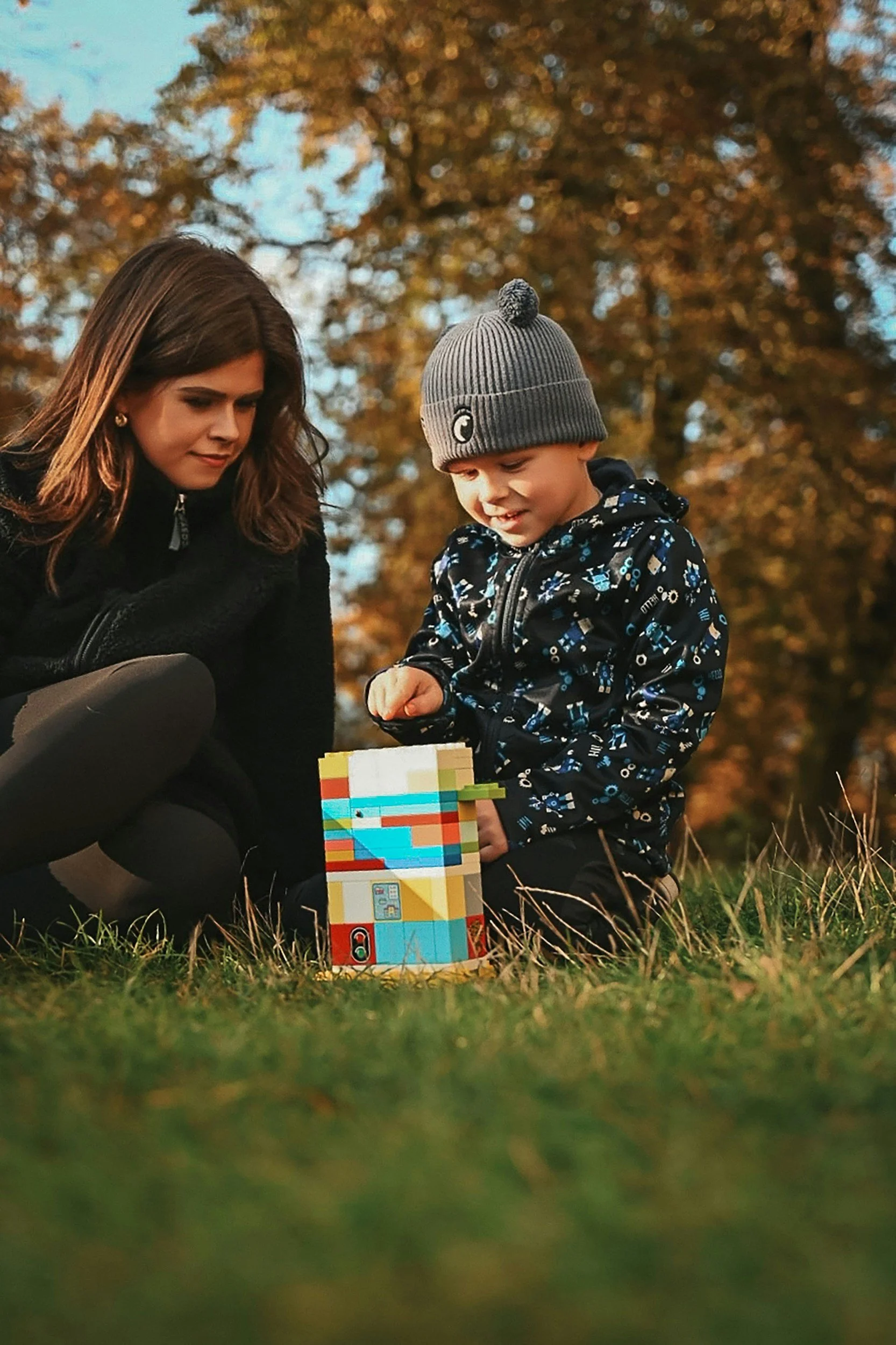
The end of the year can feel like a marathon: concerts, parties, travel, and tired kids (and parents!). I see this every year with so many families and clients: survival mode, riding waves of overexcitement, and battling overtiredness and stress. My focus is on helping families make this season feel less overwhelming and more connected. If that sounds like what you need, you’re not alone, let’s explore some practical, evidence-based strategies together.
Between wrapping up school, managing holiday travel with kids, and juggling everyone’s emotional needs, it’s easy to feel overstimulated and stretched thin. These strategies are grounded in occupational therapy principles and research-based insights to help your family move toward feeling more regulated and connected, even if it’s just some of the time.
1. Plan ahead for transitions
Predictability supports regulation because it gives children’s nervous systems a sense of safety and control. Research from the Journal of Child Psychology and Psychiatry shows that consistent routines in early life can positively shape neurodevelopment, reduce anxiety, and strengthen emotional regulation.
Try this:
Prepare after-school snack platters (honestly, one of my top regulation strategies is food ASAP after school, so many kids I work with regulate better once they’ve eaten). This doesn’t have to be fancy! I worked with one family to set up designated containers where kids could choose one item from each category without asking, e.g., fruit, muesli bars, crackers.
Set up afternoon rituals: dim the lights, play soft music, or head outdoors for play before any demands like homework or chores.
Create small activity kits at home: crafts, colouring, or air-dry clay that encourage mindful engagement. Printing simple prompts (like a picture of a finished craft) or using quick YouTube tutorials helps kids follow along independently and reduces decision fatigue.
2. Create a “feel-good menu”
Inspired by Kelly Mahler’s interoception work, the Feel-Good Menu helps children learn to recognise and respond to their sensory and emotional needs. Research in self-determination theory highlights how autonomy strengthens self-regulation and executive functioning.
Here’s how to make one:
Invite your child to list activities that help them feel calm, happy, or energised. Examples include:
Jumping on a mini trampoline
Listening to favourite music
Drawing or colouring quietly
Building with blocks or magnetic tiles
Snuggling a soft toy
Children love making their own menus because it gives them ownership and trusted go-to options for big feelings.
👉 Grab your free Feel-Good Menu templateand create one together this weekend!
3. Normalise self-care (for you too!)
We often talk about helping kids cope with overstimulation, but parents need regulation just as much. Research on co-regulation reminds us that calm caregivers help children feel calm, too.
I’ve even made my own adult version of a “feel-good menu” to give myself screen-free options when I need a reset. I also schedule “nothing” blocks: time where I don’t plan anything. For some families, this might look like committing to a few hours on the weekend with no events and just home time. As I mentioned in Tip 1, planning ahead for this can help ensure you get your “you time.” Block it out in the calendar or problem-solve how you can make it work for you.
Even five minutes of intentional rest can shift your nervous system. Whether it’s a quiet cup of tea, stepping outside for fresh air, listening to music, a quick stretch break, lighting a favorite scented candle, or journaling before bed, you’re modeling something powerful: rest isn’t selfish, it’s essential.
4. Drop expectations (and the guilt)
End-of-year burnout is real. Research shows that high stress and fatigue can reduce cognitive flexibility and emotional resilience, not just in adults but in children, too.
So it’s okay to slow down.
Simplify meals.
Skip non-essential events.
Say no when needed.
And the same goes for your kids. Things they can usually do, or have done in the past, they may not have the capacity for right now. This is very common in burnout and does not mean they’re intentionally acting out. They may need flexibility with homework, chores, or other demands. This isn’t giving up; it’s caring for your family’s nervous systems. A slower pace gives everyone time to recharge and return to connection.
5. Support through play (even on the go)
With lots of events and being out and about more, keeping little ones engaged and regulated can be challenging. My Tip 1 about planning ahead applies here: if you can put together a small selection of your child’s favorite travel-friendly toys, it can make a big difference. Think screen-free options like sticker or colouring books, fidget tools, matchbox cars or other small toys or activities your child loves. You can DIY these or join the waitlist for when my OT curated travel kits are ready.
Where possible, choose outings that allow for outdoor play. Research shows movement supports regulation, attention, and sleep, all vital for stress-free family travel. Even a quick playground stop or a run on the beach can reset everyone’s mood.
I’ve written an entire blog with practical tips for being out and about or traveling with kids, check it out here:
↠ https://kidera.com.au/blog-posts/travelling-with-littles-play-tips-that-actually-work-on-the-go
Bottom line
The end of the year doesn’t need to be (and probably won’t be) perfect!
📚 For further reading
Davis, E. P., & Glynn, L. M. (2024). The power of predictability – Patterns of signals in early life shape neurodevelopment and mental health trajectories. Journal of Child Psychology and Psychiatry, 65(4), 508–534. READ HERE
Uçar, Ü., et al. (2024). Development of self-determination in young children: Strategies to promote self-determined action. Young Exceptional Children. READ HERE
Deci, E. L., & Ryan, R. M. (2000). The “what” and “why” of goal pursuits: Human needs and the self-determination of behaviour. Psychological Inquiry, 11(4), 227–268. READ HERE
Porges, S. W. (2011). The Polyvagal Theory: Neurophysiological Foundations of Emotions, Attachment, Communication, and Self-Regulation. READ HERE
Iuga, I. A., & David, O. A. (2024). Emotion regulation and academic burnout among youth: A quantitative meta-analysis. Educational Psychology Review, 36(3).* READ HERE
Frequently Asked Questions
Why do kids (and parents) seem to struggle more at the end of the school year?
Term 4 tends to bring concerts, parties, travel, and general overstimulation, all on top of already-tired nervous systems. Predictability and routine give children’s nervous systems a sense of safety, so when that predictability disappears, regulation often takes a hit.
What’s a “Feel Good Menu” and how do I make one with my child?
It’s a simple tool, inspired by interoception research, where your child lists activities that help them feel calm, happy, or energised, like jumping on a trampoline, drawing, or snuggling a soft toy. Giving children ownership over their own feel good options supports self-regulation when big feelings hit.
Is it okay to lower expectations during burnout season?
Yes, and it’s actually recommended. Simplifying meals, skipping non-essential events, and giving your child flexibility with homework or chores isn’t giving up, it’s supporting everyone’s nervous system through a genuinely high-demand period.